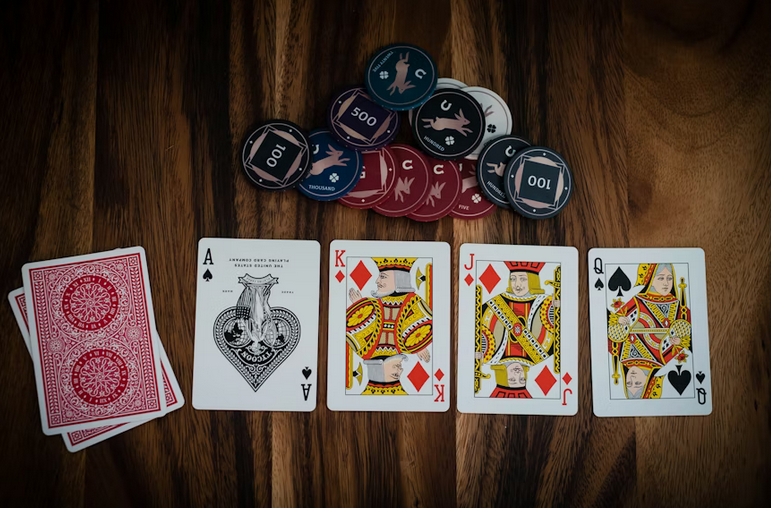
Card games hold a special kind of magnetism for casino fans. The cards hit the table, the brain wakes up, and suddenly every move matters. Conversations about diwa777 often pop up among players who enjoy testing their skills and instincts during long card sessions. For them, the thrill comes from thinking a few steps ahead. Unlike pure chance games, card tables invite players to participate mentally. You watch the cards, read the flow, and adjust decisions quickly. That interactive feeling turns a simple round into a tiny battle of wits.
Strategy Creates Real Engagement
Many players enjoy games that reward careful thinking. Card games provide that opportunity in a natural way. Every hand presents a small puzzle waiting to be solved. Should you hold your position or take a risk? Should you push forward or stay calm? These decisions make the experience feel personal. Players often say this mental tension is addictive in a good way. The brain stays alert the entire session. Each decision feels meaningful.
The Satisfaction of Improving Skills
Card games also reward experience. A beginner might feel unsure during early sessions. After a few rounds, patterns start to appear. Players notice how certain hands behave. They remember past outcomes and adjust their actions. That steady improvement creates a satisfying learning curve. It feels similar to learning a musical instrument. At first, every move seems awkward. Later, the rhythm becomes natural and enjoyable.
Every Round Feels Different
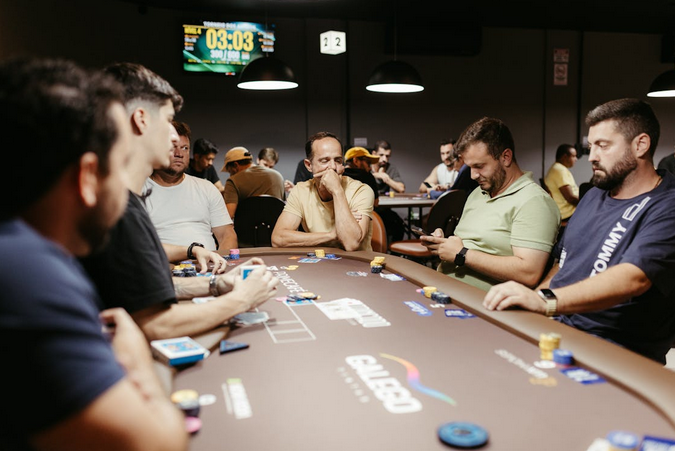
One reason card games stay exciting is unpredictability. The shuffle changes everything. A player never faces the exact same situation twice. That constant variation keeps boredom away. Each round introduces fresh possibilities. Even experienced players stay curious about what comes next. Picture opening a mystery box repeatedly. You know the general idea, yet the contents always shift. Card games create that same anticipation.
Competition Adds Extra Excitement
Many players enjoy testing themselves against others. Card games often involve reading opponents and predicting reactions. That social tension raises the stakes. A player might notice a hesitation or a confident move. Those tiny clues influence decisions. The table suddenly feels like a silent conversation. This psychological element turns the game into a contest of awareness. Players enjoy that subtle duel of observation.
The Balance Between Skill and Luck
Card games keep a fascinating balance. Skill plays a role, but chance still holds power. This mixture creates suspense throughout the session. A player can make smart decisions and still face surprising outcomes. That uncertainty prevents the game from feeling predictable. At the same time, good judgment improves long-term results. Players enjoy knowing their choices matter over time. It makes each hand feel like part of a bigger story. Card games appeal strongly to players who enjoy mental challenges.
They provide strategy, variation, and moments of clever decision-making. For many casino fans, that combination creates lasting excitement. The cards shuffle, the tension rises, and the mind stays active. That is exactly why card games continue to attract players who love a good challenge.